

If your boat has been sitting in winter storage or tied up at the dock for months, a quick rinse usually is not enough. Summer prep is your chance to remove built-up grime, deal with trapped moisture, and catch small issues before they become expensive problems.
This “How to get your boat ready for summer” guide is for boat owners in New York City, Nassau County, and Northern New Jersey who want their boat clean, safe, and guest-ready before the season ramps up.
For those who prefer professional help, Opura provides marine-safe interior and exterior boat cleaning for docked, trailered, or stored vessels.
Start With a Full Walk-Through
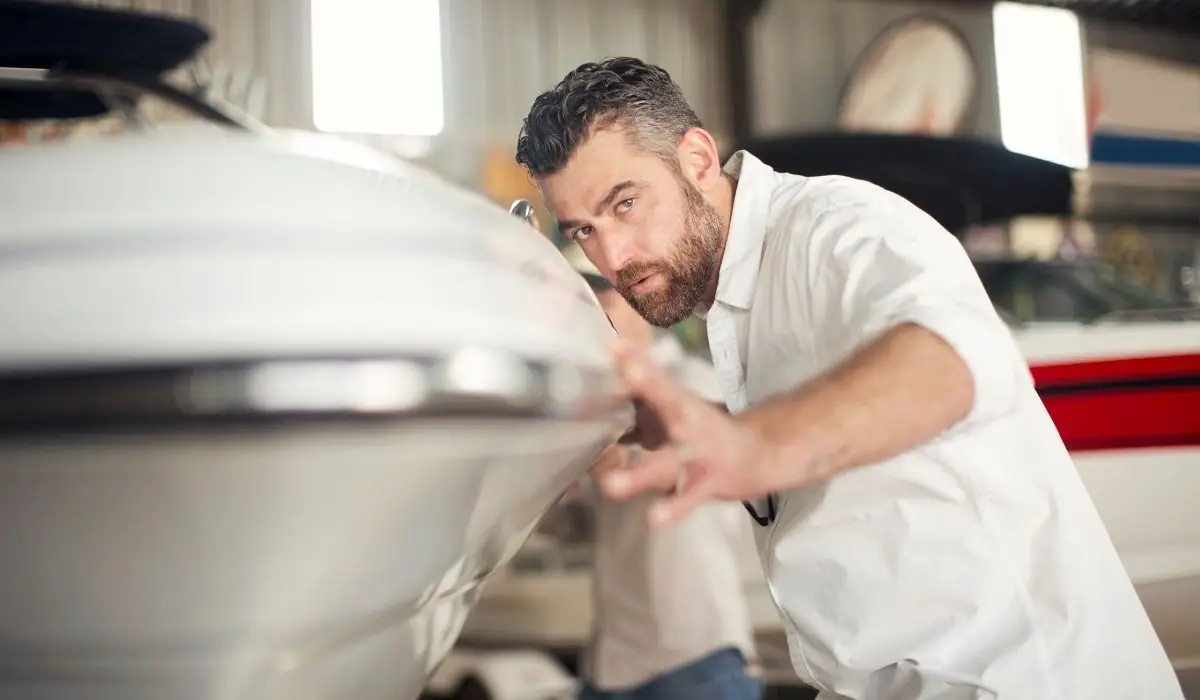
Before you start scrubbing, take a slow walk-through of the boat from bow to stern. This inspection helps you separate light cosmetic cleaning from areas that need deeper attention.
Look closely at:
- Seats and cushions for mildew, cracking, or sticky residue
- Deck surfaces for grime, algae, and slippery non-skid areas
- Cabin walls, flooring, carpets, and storage compartments for dampness or odor
- Metal hardware for salt residue or corrosion
- Windows, hatches, and seals for clouding, leaks, or grime
- Bilge and enclosed compartments for standing water
This initial check helps you plan the rest of your summer boat prep more effectively. It can also reveal early signs of moisture damage, which is common on boats that have been closed up for months.
Clean the Exterior Before Buildup Gets Worse
Exterior cleaning is about more than appearance. Salt, dirt, and organic buildup can wear down finishes and make maintenance harder once the season is underway.
A proper exterior cleaning reset usually includes:
- Rinsing the hull and topsides above the waterline
- Washing rails, hatches, deck surfaces, and glass
- Cleaning non-skid areas carefully so they stay safe underfoot
- Wiping exterior seating and high-touch surfaces
- Drying surfaces thoroughly to cut down on spotting
If your boat moves between different waterways, it is also smart to follow a Clean, Drain, Dry routine. The US Fish and Wildlife Service recommends cleaning the hull and equipment, draining water from compartments, and letting everything dry to help reduce the spread of aquatic invasive species (US Fish and Wildlife Service, n.d.).
Don’t Skip Boat Interior Cleaning
Boat interior cleaning is one of the most important steps in getting your vessel ready for summer. It is also one of the easiest tasks to delay.
Start with the areas most likely to trap humidity:
- Seats and cushions
- Cabins and sleeping areas
- Lockers and enclosed storage
- Flooring and steps
- Coolers, drawers, and galley surfaces
Begin by vacuuming loose debris. Then wipe hard surfaces with products designed for the material. Use only enough moisture to clean the surface without soaking it. In enclosed spaces, excess water only increases drying time and raises the risk of mildew.
This step becomes especially important if the boat smells stale when you first open it. Mold tends to grow where moisture lingers, often around leaks, on damp surfaces, and inside enclosed areas that stay wet too long. (Centers for Disease Control and Prevention, 2024).
How to Clean Boat Seats Safely
Seats are often the first place signs of neglect appear. They collect sunscreen, spills, damp towels, and body oils, and can trap moisture if the boat has been stored closed.
For routine seat care:
- Remove dry dirt first using a soft cloth or brush
- Use a vinyl-safe or upholstery-safe cleaner appropriate for the material
- Test the product on a small hidden area first
- Avoid abrasive pads or rough brushes
- Dry the seats completely before covering or closing the boat
If you see mildew, be careful. The CDC notes that some people should not clean mold themselves, including those with weakened immune systems, chronic lung disease, or asthma. The agency also recommends gloves, eye protection, and at least an N95 respirator for mold cleanup, and says bleach should never be mixed with ammonia or other cleaners (Centers for Disease Control and Prevention, 2024).
For minor surface marks, careful cleaning may solve the problem. However, widespread staining, recurring mildew, or persistent odors are often better handled by a professional boat cleaning service.
Choose Lower-Risk Cleaning Products When Possible
Not every household cleaning product is suitable for marine environments. Harsh chemicals can leave residue, damage finishes, and create unnecessary exposure inside tight cabin spaces.
The EPA’s Safer Choice program identifies products and ingredients that meet its human health and environmental criteria, while still meeting product performance standards (US Environmental Protection Agency, 2024). Opura also offers EPA Safer Choice options on request, which fit well with a lower-toxicity, low-odor approach for enclosed marine spaces.
Your Boat Safety Checklist
Cleaning is only part of preparing your boat for summer. Before your first outing, take time to confirm the basics are in place.
Use this checklist:
- Confirm life jackets and other safety gear are on board
- Check storage compartments and bilge areas for moisture
- Review your forecast and local marine conditions
- Make sure your registration and onboard documents are current
- Check that walkways, steps, and deck surfaces are clean and safe
The National Weather Service advises boaters to check weather forecasts and marine conditions before heading out (National Weather Service, n.d.). In New York, operators of motorized vessels are also required to complete a state-approved safe boating course under Brianna’s Law (New York State Parks, Recreation and Historic Preservation, n.d.).
When to Book a Professional Boat Cleaning Service
A professional boat cleaning service is worth considering when:
- Your boat has been in storage for several months
- You notice mildew on the seating or inside the cabin
- You want a full seasonal reset before regular use
- The boat is docked and easier to service on-site
- You need both interior and exterior cleaning completed together
- You prefer an insured team working with structured checklists and supervision
Questions to Ask Before You Book
- What is included in the standard service scope?
- Do you clean both interior and exterior surfaces?
- Are your products marine-safe for vinyl, fiberglass, and non-skid materials?
- Can you work at a marina, dock, driveway, or storage facility?
- Are you fully insured and bonded?
- Do you offer both one-time seasonal prep and recurring maintenance?
Opura’s boat cleaning service is built around these practical needs, with trained teams, supervisor oversight, safer product options on request, and flexible service plans across NYC, Nassau County, and Northern New Jersey.
What to Do Next

If your boat needs more than a light wipe-down, start by making a short list. Note areas with visible buildup, check for mildew or trapped moisture, and decide what you can safely handle yourself.
For deeper cleaning, interior mildew, or a full seasonal reset, professional service can save time and prevent long-term damage.
Call Opura at +1 718 969 0845 or request a quote to schedule your summer boat cleaning in NYC, Nassau County, or Northern New Jersey.
Frequently Asked Questions About Getting Your Boat Ready
When should you clean your boat for summer?
Ideally, clean it before the first trip of the season, especially after storage. That gives you time to spot mildew, stains, cracked vinyl, or missing gear before launch day.
What is included in boat interior cleaning?
It typically covers seats, cabins, consoles, compartments, flooring, storage areas, and wipe-down of hard surfaces. Scope varies by boat size and condition.
How long does summer boat prep take?
A light seasonal reset may take a few hours. A boat with heavy buildup, mildew, or multiple interior zones can take longer.
Do I need special products for boat cleaning?
Usually, yes. Marine-safe products are better suited to vinyl, fiberglass, aluminum, and non-skid surfaces than general household cleaners.
Does New York require anything before I operate my boat this season?
If you operate a motorboat in New York, the boating safety course requirement matters. Check current state requirements before your first trip.
References
Centers for Disease Control and Prevention (2024) ‘Mold Clean Up Guidelines and Recommendations’. Available at: https://www.cdc.gov/mold-health/about/clean-up.html (Accessed: 10 April 2026).
National Weather Service (n.d.) ‘Be Safe! Prepare for Hazards’. Available at: https://www.weather.gov/safety/safeboating-before (Accessed: 10 April 2026).
New York State Parks, Recreation and Historic Preservation (n.d.) ‘Boating Education’. Available at: https://parks.ny.gov/activities/boating/boating-education (Accessed: 10 April 2026).
US Environmental Protection Agency (2024). ‘Safer Choice Standard and Criteria’. Available at: https://www.epa.gov/saferchoice/standard (Accessed: 10 April 2026).
US Fish and Wildlife Service (n.d.) ‘Clean, Drain, Dry’. Available at: https://www.fws.gov/story/clean-drain-dry (Accessed: 10 April 2026).